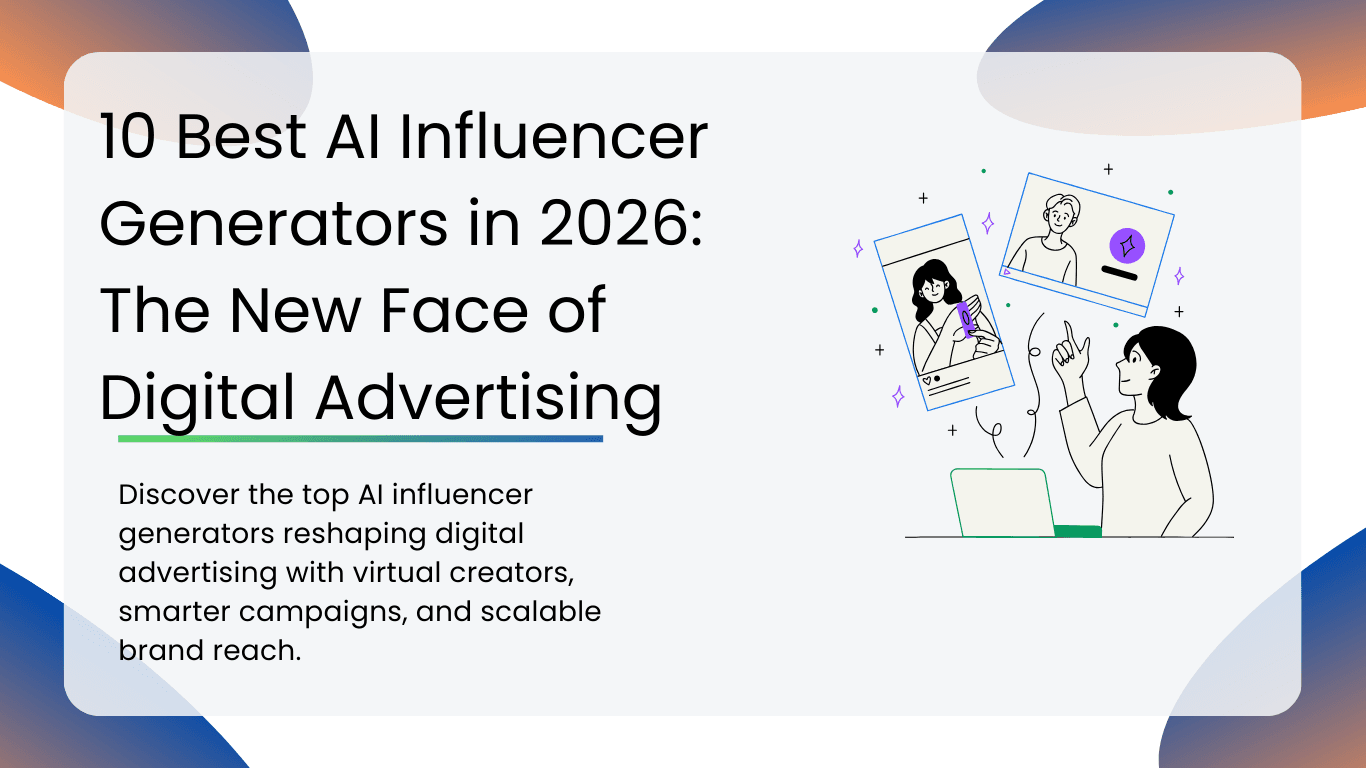
Artificial intelligence is changing the face of digital advertising faster than ever, and nowhere is this more exciting than in influencer marketing. AI influencer generators are revolutionizing how brands create, collaborate, and connect with their audiences. Instead of searching endlessly for the right influencer, businesses can now design one complete with personality, visuals, and an audience tailored to their goals.
These digital creators never tire, never miss deadlines, and can represent a brand’s voice with perfect consistency. From fashion campaigns to tech product launches, AI influencers are becoming the next big marketing tool, blending creativity, data, and storytelling in ways that feel strikingly human.
In this blog, you will discover the best AI influencer generators of 2025, how they work, and why they’re setting a new standard for digital advertising.
What is AI Influencer Generator?
An AI influencer generator is a digital tool that uses artificial intelligence to create lifelike virtual personalities for social media and marketing. These AI-driven influencers can look, speak, and behave like real people while representing brands across various online platforms. They can be designed with unique aesthetics, voices, and values that match a brand’s personality and audience preferences.
Powered by machine learning and advanced design software, these tools analyze trends, engagement data, and audience behavior to make each virtual influencer more relatable and effective. In a world where authenticity meets automation, AI influencer generators are redefining how brands tell their stories and build connections online.
Key Features to Look For in an AI Influencer Generator Tool
- Realistics Visual & Voice Creation: The tool should create lifelike appearances, natural facial expressions, and believable voices that reflect the influencer’s character and brand message.
- Customization Options: Look for flexibility to adjust personality traits, background stories, communication style, and aesthetic details, ensuring the influencer feels original and on-brand.
- Data-Driven Insights: Advanced tools analyze audience engagement, social trends, and campaign performance, helping refine your content strategy based on real results.
- Multi-Platform Integration: A good generator allows seamless use across platforms like Instagram, YouTube, and TikTok, keeping the influencer’s presence consistent.
- Ethical & Transparent AI Use: Choose tools that are transparent about data usage and AI operations to maintain trust and authenticity between the brand and its audience.
Best AI Influencer Generator Tools at a Glance
| Tool name | Best for | Standout feature |
| ZenCreator | Brands that need photoreal influencer images for social feeds, ads, and lookbooks | Studio-style, high-realism virtual models that stay visually consistent across many shoots |
| HeyGen | Short form video campaigns on TikTok, Reels, and Shorts | Script to video talking avatars with natural lip sync and multilingual support |
| Fotor AI Influencer Generator | Creators and small brands wanting quick influencer-style visuals and simple animation | Turn still images into animated influencer clips with an easy, browser-based workflow |
| InfluencerFarm | Professional, 4K-ready virtual photoshoots and campaigns | Virtual studio for directing ultra-realistic AI influencers in different scenes and outfits |
| APOB AI | Solo creators building faceless brands and monetizable AI personas | Creator-focused suite that combines avatar creation, talking videos, and monetization-friendly tools |
| JoggAI | High-impact talking videos from a single photo | Lifelike lip sync and animation that transforms any portrait into a realistic video spokesperson |
| SynthLife | Long-term virtual influencer brand building and scheduling | End-to-end system for creating, planning, and automating content for a persistent AI influencer |
| InfluencerStudio | Teams that want a full image, plus video, plus UGC production hub | All in one studio that handles character creation, photos, videos, voiceovers, and edits in one place |
| Creatify AI Influencer Generator | Prompt-based social video influencers for ad campaigns | Text to digital human flow that turns simple prompts into realistic ambassadors for social ads |
| D-ID | Talking head videos for marketing, training, and multilingual content | Image-to-speaking avatar technology that brings any face to life with natural movement and voice |
Table of Contents
| 1. ZenCreator |
| 2. HeyGen |
| 3. Fotor AI |
| 4. InfluencerFarm |
| 5. APOB AI |
| 6. Jogg AI |
| 7. SynthLife |
| 8. InfluencerStudio |
| 9. Creatify |
| 10. D-ID |
Top AI Influencer Generators
1. ZenCreator
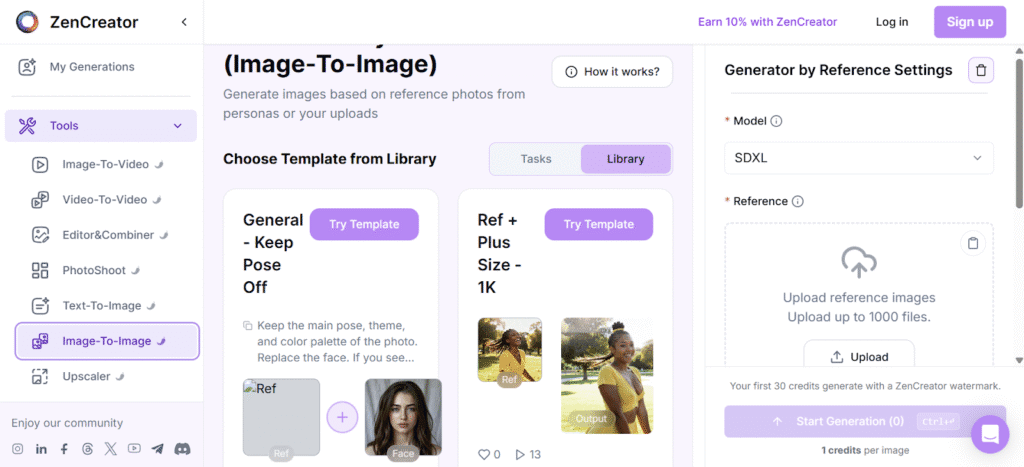
ZenCreator is designed for brands that want high-quality influencer photos without running full-scale photoshoots. Users can describe the model’s look, outfit, and setting, and the tool turns that into polished, photoreal images that feel at home on Instagram, in lookbooks, or in ad creatives. It works especially well for niches where visuals are everything, such as fashion, beauty, fitness, and lifestyle, and helps keep a consistent “face” for your AI influencer across many different campaigns.
Key Features
- High Realism Image Generation: Creates detailed, lifelike virtual models with natural skin, clothing textures, and lightning, suitable for close-up shots and hero images.
- Stylized Presets & Scenes: Offers ready-made styles like studio, lifestyle or outdoor scenes so you can quickly match the mood of your brand or campaign.
- Consistent Persona Creation: Lets you keep the same face and overall style across multiple images, so your AI influencer feels like one recognizable character, not a rotating cast.
- Batch Generation & Variations: Allows you to create many variations of a concept at once, making it easy to test different poses, outfits, and backgrounds for engagement.
Pros
- Very fast way to produce influencer-style images at scale.
- Simple enough for beginners, since prompts and presets handle much of the creative work.
- Ideal for catalogs, social grids, and user-generated content-inspired visuals.
Cons
- Focuses mainly on static visuals, so you still need another tool for talking video content.
- Best suited to visually driven consumer brands and less natural for very technical or B2B use cases.
2. HeyGen
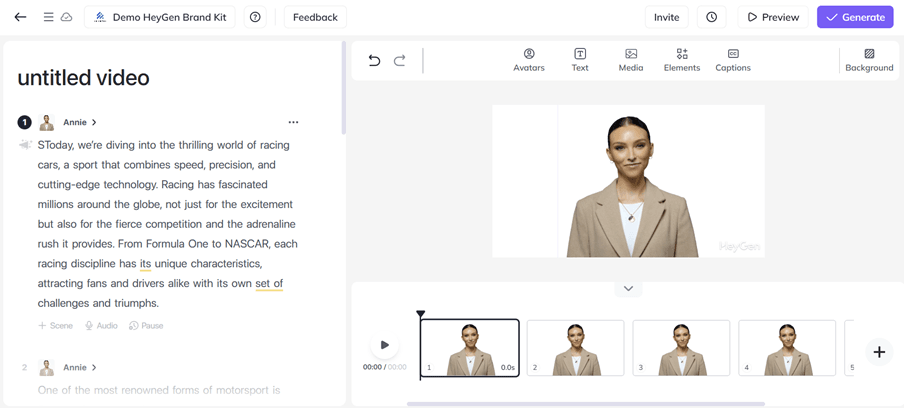
HeyGen is built for anyone who wants a digital influencer who can talk directly to the audience on video. Instead of recording new footage every time, you write a script, pick an avatar and voice, and let the tool generate short clips that look like a real person speaking to the camera. This makes it a strong fit for TikTok-style videos, Reels, YouTube Shorts, product explainers, and testimonial-style ads where having a face on screen builds trust and attention.
Key Features
- Script to Talking Video: Turns your written script into a video where a virtual influencer delivers the message with synced lips, natural expressions, and smooth motion.
- Avatar Library & Custom Personas: Offers a selection of ready-made avatars plus the option to craft a unique character that matches your brand’s tone, age, and style.
- Multilingual Voice & Lip Sync: Supports multiple languages while keeping mouth movements aligned, making it easier to run localized campaigns in different regions.
- Scalable Short Form Content: Makes it practical to create many variations of videos for different audiences, products, or tests without re-filming.
Pros
- Excellent for ad creatives, explainers, and social content that needs a human-like presence.
- Saves time and production costs compared to hiring and reshooting with live influencers.
- Keeps messaging consistent across dozens or hundreds of video assets.
Cons
- Works best when you already have clear scripts and a strategy, and it doesn’t invent the marketing angle for you.
- A bit more complex than pure image tools, so there is a short learning curve for new users.
3. Fotor AI
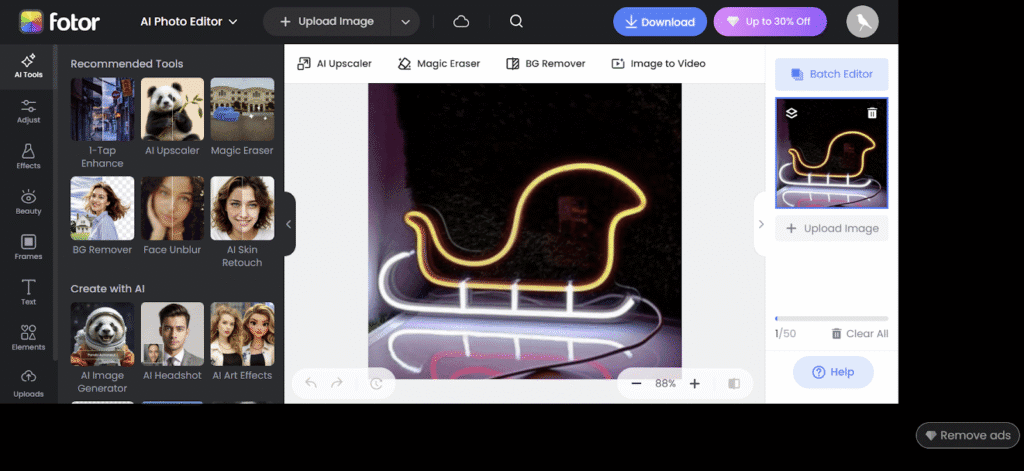
Fotor’s AI influencer generator focuses on making influencer-style visuals simple for everyday creators and small teams. You can start with plain text prompts to design a virtual influencer or upload an existing photo and turn it into animated content that feels alive. The tool lives in the browser and keeps the workflow light, which makes it a good option for social media managers, solo creators, and small brands that want eye-catching content without heavy editing software.
Key Features
- Prompt-Based Influencer Design: Lets you describe the look, mood and setting in simple language and turns that into influencer-style images that match your idea.
- Image to Video Animation: Can take a still portrait and add motion or lip sync, turning a static image into a short, engaging clip for social platforms.
- Templates & Social Formats: Includes layouts and sizes tailored to common platforms like Instagram, TikTok, and YouTube so your content fits without extra tweaking.
- Beginner Friendly Export & Editing: Keeps the interface clean and guided, making it easy to generate, edit, and download content even if you are new to AI tools.
Pros
- Very approachable for beginners and non-designers.
- Great for quickly testing influencer looks and turning photos into more dynamic content.
- Works well for agile campaigns where you need ideas and assets fast.
Cons
- Offers less deep control over complex avatars than some specialist video platforms.
- Might feel limited for very large productions that need advanced pipelines or multi-character scenes.
4. InfluencerFarm
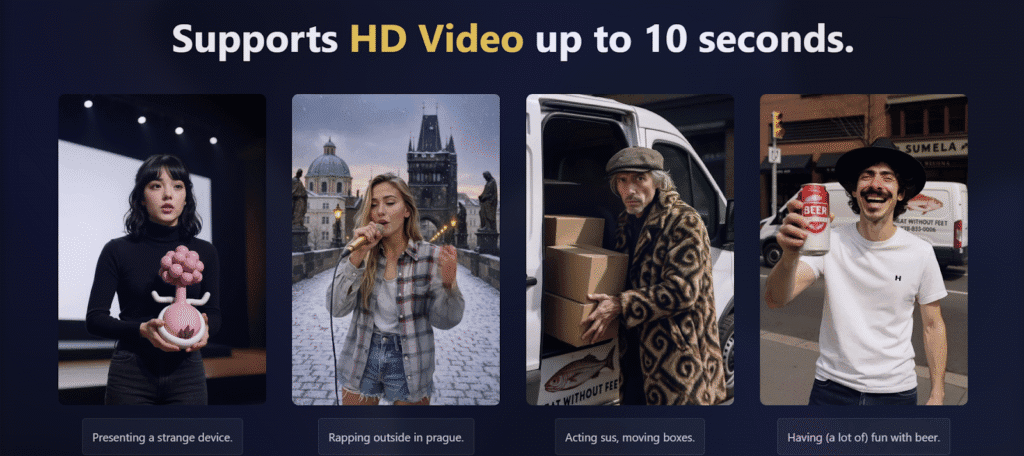
InfluencerFarm is built for people who want ultra-realistic AI influencers that can direct like models in a studio. You start by defining the look and personality of your digital human, then use its virtual photoshoot tools to place that character into different locations, outfits, and scenes. It is especially useful for brands that rely heavily on scroll-stopping visuals and want a consistent face across campaigns in 4K quality.
Key Features
- Custom AI Influencer Creation: Describe your ideal influencer and generate a unique digital persona you can refine with name, style, and appearance tweaks.
- Virtual Photoshoots & Scenarios: Pick locations, write scene descriptions, and let the tool generate timelines of images you can sort, select, and download.
- High Resolution Media Output: Export photos and videos in formats like PNG and MP4, with support for 4K upgrades for premium quality campaigns.
- Social Ready Sharing & Dashboard: Manage your influencer, choose profile pictures, and share or schedule content directly for social platforms.
Pros
- Strong focus on lifelike images and videos tailored for professional use.
- Virtual photoshoots save time, travel, and real-world production costs.
- Fine-tuning options help shape a distinct, branded persona rather than a generic model.
Cons
- Geared more toward visual content than deep video scripting or lip-synced talking avatars.
- Rich feature set can feel a bit much if you only need occasional, simple posts.
5. APOB AI
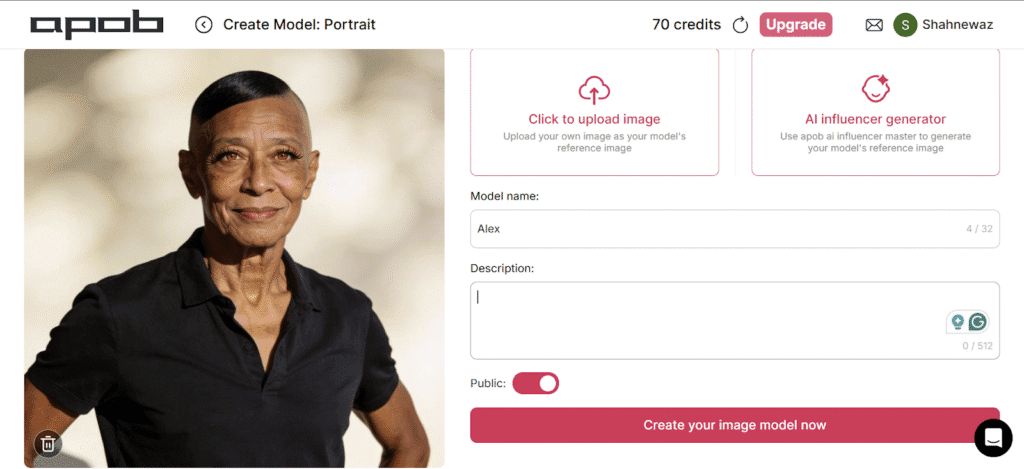
APOB AI targets creators and marketers who want to turn ideas into monetizable AI influencers quickly. It combines avatar generation, video animation, voice syncing, and face swap tools so you can build a persona, make it talk, and then push content across social channels. It is a good fit for people who want to stay off camera themselves but still grow a branded digital presence.
Key Features
- AI Avatar Generation with Fine Control: Create influencers from scratch or from photos, adjusting age, gender, nationality, facial features, skintone, and hairstyle in a few clicks.
- Talking Avatar & Lip Sync: Turn written text into natural-sounding speech that matches the avatar’s mouth and expressions for video content.
- Face Swap & Remix Tools: Draw faces into pre-made templates to create remixed clips, story-driven content, or parody-style videos while keeping visual quality high.
- Monetization Friendly Workflows: Design around building audience and revenue via virtual collaborations, affiliate content, digital products, and anonymous channels.
Pros
- All-in-one feel for building, animating, and scaling an AI influencer brand.
- Accessible for non-technical users thanks to guided flows and free credits to test the platform.
- Monetization-oriented features make it attractive for solo creators who want to earn from virtual personas.
Cons
- The depth of options can be overwhelming at first if you only need basic videos.
- Quality and realism depend heavily on the time spent customizing avatars and scripts.
6. JoggAI
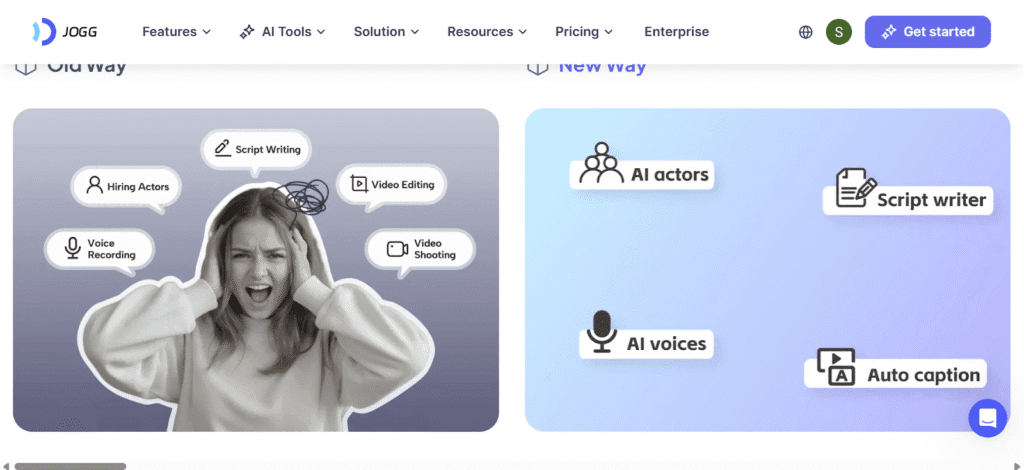
JoggAI is designed for creators and brands that want talking video influencers built from just one image. You upload a photo or design an avatar, add or generate a script, and choose a voice, then the tool produces high-quality, lip-synced videos ready for social media and ads. It leans strongly toward video marketing, making it a powerful option for tutorials, reviews, promos, and short-form content.
Key Features
- Single image to talking avatar: Transform one static photo into a dynamic, speaking influencer with realistic mouth and facial movement.
- Advanced Lip Sync & Animation: Uses precise lip syncing and natural gestures so the avatar feels more human and less robotic on screen.
- AI Script Writing & Voices: Generate scripts with built-in tools or paste your own, then pair them with AI voices or custom audio for narration.
- Video Ad & URL to Video Tools: Turn product URLs into ready-to-run video ads, blending visuals, script, and voice in one flow.
Pros
- Very strong for high-impact, realistic video content without filming.
- Ideal for creators who want a consistent digital spokesperson across many clips.
- Batch creation and fast rendering help you react quickly to trends and test many variations.
Cons
- Focuses on video, so you may still need other tools for complex image-only campaigns.
- Requires some planning for scripts, angles, and messaging to get the most out of it.
7. SynthLife
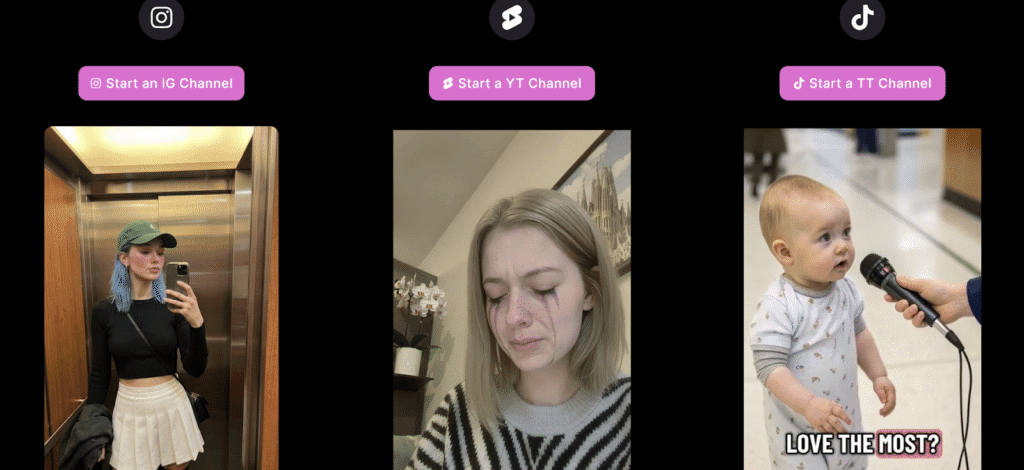
SynthLife is built as an end-to-end platform for creating, growing, and monetizing virtual influencers, not just generating assets. It helps you design a unique face, automate content with pose, clothing, and background variations, and plug directly into social media to manage posts and growth. This makes it a strong option if you see your AI influencer as a long-term brand or side business rather than a one-off creative experiment.
Key Features
- Custom Persona & Face Creation: Let’s you tweak and build a unique influencer face aligned with your brand aesthetics and identity.
- Auto Content Generation & Scheduling: Generates posts with variations in pose, outfits, and backgrounds, and offers planning tools to schedule content over time.
- Social Media Integration: Connects to major platforms so you can manage profiles, posting, and engagement from within the system.
- Monetization-Oriented Design: Built with the idea of turning virtual influencers into full projects, including consistent branding and long-term audience building.
Pros
- Big picture platform for treating an AI influencer like a real, ongoing brand.
- Content automation reduces the daily workload of posting and planning.
- Helpful for users who want structure around growth, not just asset generation.
Cons
- More complex than lightweight generators, so it suits committed projects better than quick tests.
- Best value when you fully use its scheduling and social features, which may be more than casual users need.
8. InfluencerStudio
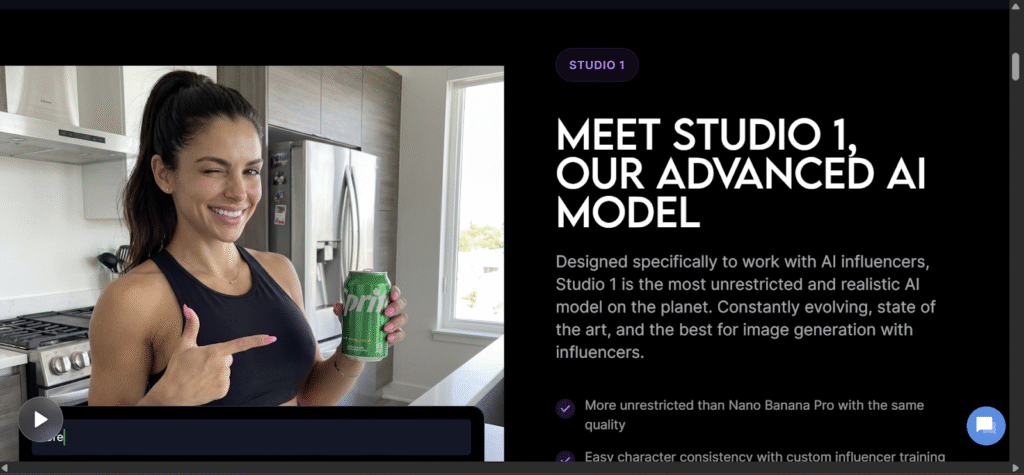
InfluencerStudio works as an all-in-one platform for building ultra-realistic AI influencers from scratch or from your photos. You can generate a new character, upload images to create a digital twin, then produce photos, videos, voiceovers, and even UGC ads while keeping the same face across everything. It is perfect for brands that want a full production pipeline in one place, covering social posts, ads, and campaigns with consistent personalities.
Key Features
- AI Character Creation From Prompts or Photos: Generate new influencers with one prompt or upload 4 to 5 photos to make a personalized digital clone that matches real people.
- Unlimited Image, Video & UGC Generation: Create photoshoots, social posts, ads, and videos with perfect character consistency across all media types.
- Face Swap & Editing Tools: Swap faces, edit images, and train custom LoRA models to refine your influencer for specific styles or campaigns.
- Voice & Audio Integration: Add a realistic voice to videos, making your AI influencer capable of speaking directly to the audience in natural ways.
Pros
- True end-to-end studio that handles images, videos, and UGC without switching tools.
- High realism and consistency make it feel like working with a real influencer team.
- Supports diverse ethnicities and styles for inclusive, targeted campaigns.
Cons
- Fully paid model without a free tier, so you need commitment to see value.
- Best for users who plan ongoing content, not one-off tests.
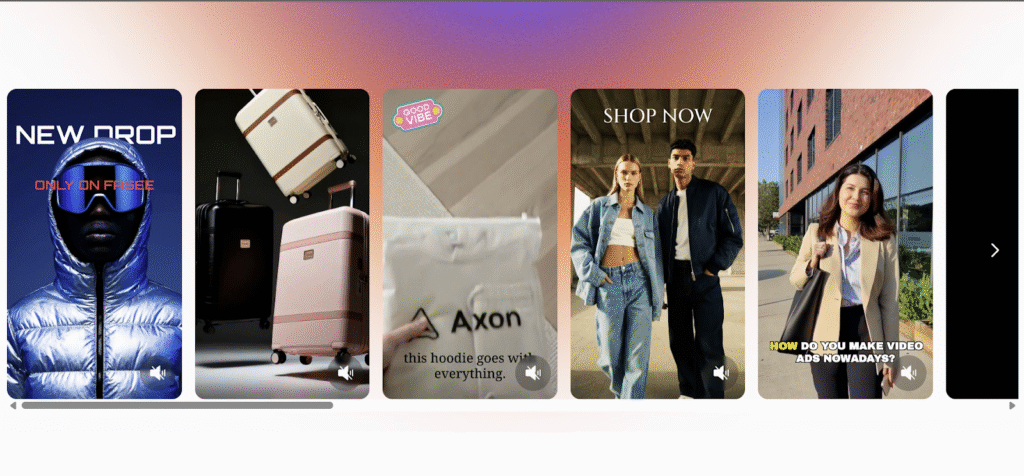
9. Creatify AI
Creatify AI influencer generator is designed for marketers who want ultra-realistic digital humans built from simple text prompts. You describe your ideal influencer, customize the style, and use it as the face of social media videos, ads, or campaigns. It is particularly strong for camera-shy creators or brands looking to create ambassadors without showing real faces, with a focus on monetization through engaging short-form content.
Key Features
- DYOA Prompt to Digital Human: Use the DYOA feature to generate custom AI influencers from text descriptions, then refine style for your brand.
- Preset Avatar Library & Digital Twins: Choose from ready avatars or upload a video to create your own digital twin for personalized content.
- Social Media Video Campaigns: Build videos with your AI influencer as the ambassador, optimized for platforms and quick testing.
- Preview & Approval Workflow: Generate options, review results, and approve before finalizing, ensuring quality control on every asset.
Pros
- Budget-friendly and flexible for social media growth without a face reveal.
- Fast creation of polished, synthetic influencers perfect for viral style content.
- Strong for product launches and A/B testing multiple influencer variations.
Cons
- Limited to selected plans for full customization and higher quality outputs.
- Best for short-form social videos rather than long format or complex narratives.
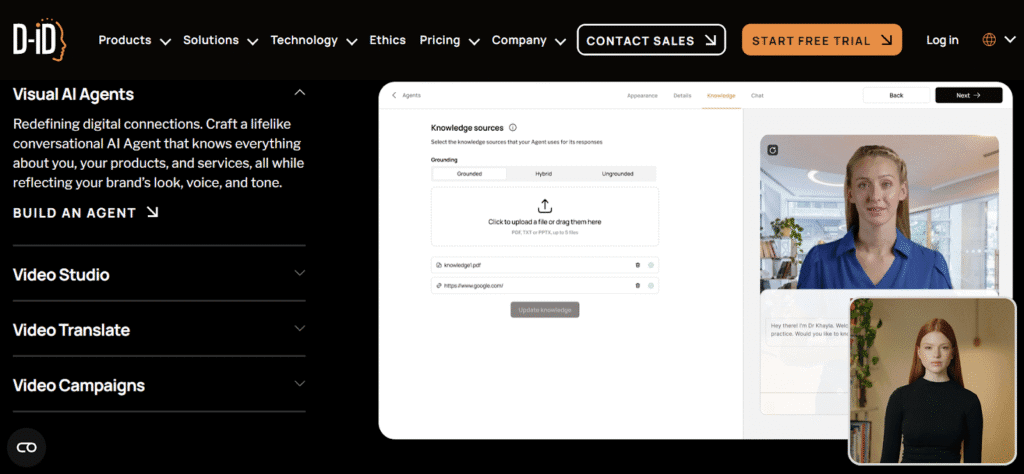
10. D-ID
D-ID focuses on bringing static images to life as talking avatars, making it easy to create personalized video content from a single photo and script. It is a leader in AI video generation for influencer marketing, where brands use it to humanize content, scale multilingual campaigns, and produce dynamic spokespersons for training, sales, or social. The Creative Reality Studio ties together face animation, text-to-speech, and avatar tools for quick results.
Key Features
- Image to Talking Avatar: Upload a photo and script to generate videos where the person appears to speak naturally with lip sync.
- Creative Reality Studio: Self-service platform combining face animation, LLM text generation, and text-to-image for custom videos.
- Multilingual & Scalable Output: Supports multiple languages and batch creation for global campaigns or high-volume content needs.
- API & Enterprise Features: Offers APIs for integration and enterprise tools for advanced deployment in marketing or training workflows.
Pros
- Simple workflow to animate any photo into professional talking head videos.
- Great for business communications, product demos, and multilingual personalization.
- Enterprise-ready with APIs for larger teams and automation.
Cons
- Free trial is limited, and quality plans can feel expensive for casual use.
- Talking head focus means less flexibility for full-body or complex scene videos.
Future of AI Influencer Generators
- Hyper Realistic Emotional Intelligence: Future generators will read audience reactions and adjust facial expressions, tone, and timing in real time to build stronger emotional connections.
- Full Agency Automation: AI influencers will handle entire workflows, from trend spotting and content creation to posting, engaging fans, and even negotiating virtual brand deals.
- Cross Reality Presence: These tools will create influencers that exist seamlessly across platforms, VR spaces, metaverses, and even AR filters, following users wherever they go.
- Decentralized Ownership Models: Blockchain integration will let creators own, monetize, and license their AI personas as digital assets, opening new revenue streams and collaborations.
- Ethical Memory & Adaptation: Advanced systems will learn from interactions ethically, remembering preferences without invading privacy while staying true to brand values over time.
Conclusion
AI influencer generators have arrived just as digital advertising needs a fresh spark. They let brands craft virtual creators who never tire, always stay on message, and connect with audiences in ways that feel real and personal. From ZenCreator’s stunning visuals to D-ID’s talking avatars, each tool brings something special to help you build campaigns that stand out without endless shoots or negotiations.
As these platforms keep growing, they point to a future where every brand has its own digital ambassador, blending creativity with smart automation. The real winners will be those who use AI not just to create faces, but to tell stories that touch people. In a crowded online world, your next influencer might not need a mirror, but they will still need a heart.
Check out other blogs for more such informative content:
- Best AI Productivity Tools in 2024
- Top AI Workflow Creation Tools
- Top 15 AI Logo Design Tools
- 10 Creative AI Design Assistant Tools for Marketers
FAQs
AI generators give you full creative control, zero scheduling conflicts, and content you can produce 24/7 without contracts or reshoots. They stay perfectly on brand while costing far less over time, especially for testing multiple looks or running long campaigns. Real influencers bring authenticity but often come with limits on usage rights and availability.
Absolutely. Tools like Fotor, APOB AI, and Creatify work beautifully for individuals with simple browser access and no design experience. They help small creators build professional influencer content fast, test audience reactions, and grow social presence without big budgets or teams.
Most top tools like HeyGen, JoggAI, and InfluencerStudio create visuals and videos so lifelike that casual viewers rarely notice. Subtle details like natural gestures, lighting, and lip sync make them blend into real feeds. The focus now is quality over gimmick, so they feel believable rather than robotic.
Yes, nearly all platforms grant full commercial rights to your generated assets once you pay or complete creation. Tools like ZenCreator and D-ID clearly state that images, videos, and avatars belong to you for marketing, ads, or resale. Always check the terms for specifics on your plan.