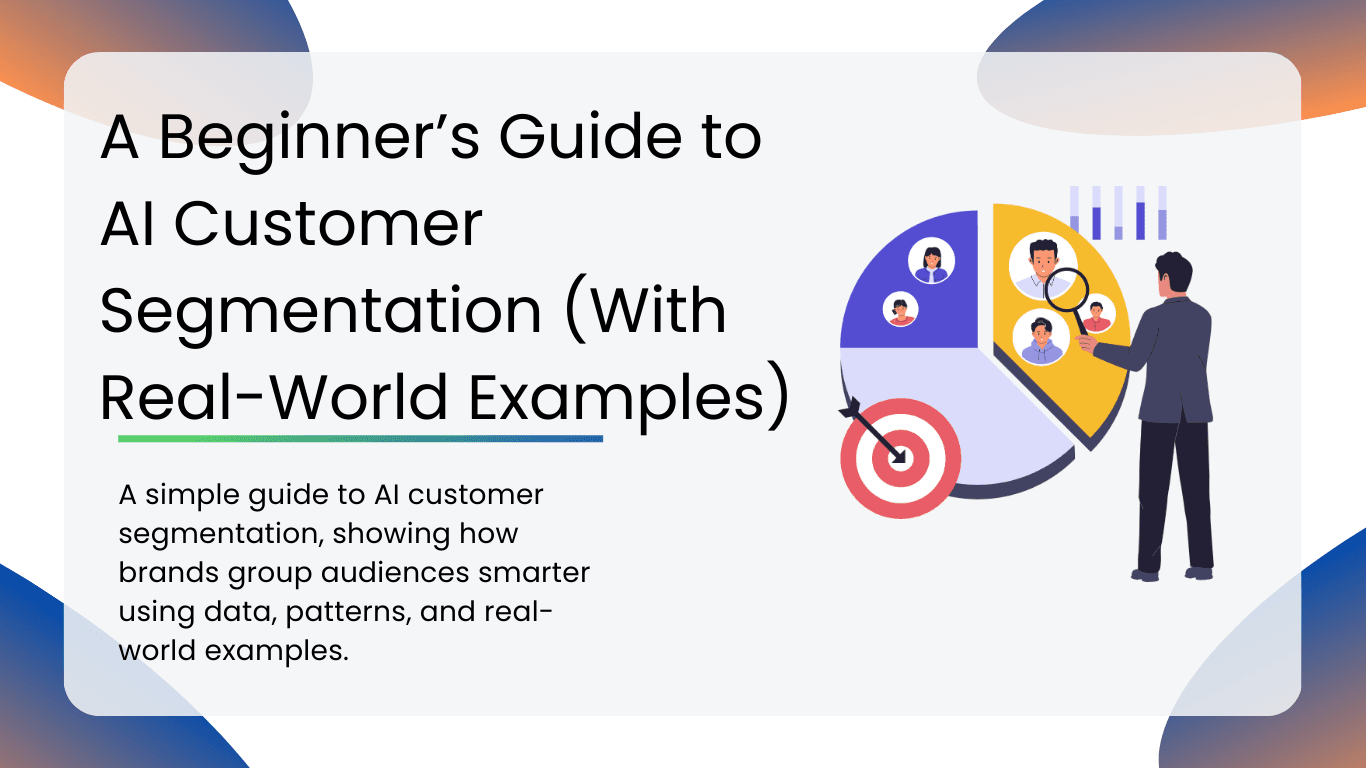
Artificial intelligence is quietly rewriting the rules of modern marketing, especially when it comes to understanding who your customers really are. Instead of guessing with board labels like “millennials” or “high income,” AI can sit through real behavior, uncover hidden patterns, and group customers based on what they actually do, want, and respond to. This gives even small businesses the power to personalize their messaging, improve conversions, and stop wasting budget on audiences that will never engage.
In this blog, you will learn the basics of AI customer segmentation, why it matters, and how real-world examples can inspire your own strategy.
What is AI Customer Segmentation
AI customer segmentation is the practice of using artificial intelligence to group customers into meaningful segments based on how they behave, what they prefer, and how they interact with your brand across channels. Instead of relying only on surface-level details like age, gender, or location, AI scans large volumes of data to uncover patterns that are not obvious at first glance. This makes your view of the customer richer, more accurate, and far more useful for real marketing decisions.
At a practical level, AI customer segmentation can analyze browsing activity, purchase history, email engagement, app usage, and even how often someone abandons their cart. It then clusters people with similar behaviors into segments such as “loyal repeat buyers,” “price sensitive deal hunters,” or “new visitors who need nurturing. “ With these smarter segments, you can tailor messages, offers, and experiences so that each group receives content that feels relevant, timely, and genuinely helpful.
AI breaks through many of the usual roadblocks in customer segmentation by handling complexity, volume, and change in ways humans alone cannot. Below are the most common challenges and how AI helps you move past them, explained in simple, practical terms.
How AI Solves the Most Common Customer Segmentation Challenges
- Making Sense of Messy Data: Traditional segmentation often falls apart because customer data is scattered across tools, full of gaps, and hard to trust. AI models can clean, combine, and standardize data from multiple sources, turning chaotic information into a usable foundation for accurate segments.
- Going Beyond Basic Demographics: Relying only on age, gender, or location creates segments that are too broad to be truly useful. AI digs into behavior, intent, and real-time interactions, allowing you to group customers by how they act and what they care about, not just who they are on paper.
- Handling Huge Volumes of Information: As the customer base grows, manually analyzing millions of interactions becomes impossible. AI can quickly process massive datasets, spotting hidden patterns and micro segments at a scale that would take human teams weeks or even months to uncover.
- Keeping Segments Updated Automatically: Static segments become outdated as customer interests and market conditions change. AI-powered segmentation can refresh groups continuously, adjusting who belongs in which segment as new data flows in, so your targeting always reflects current behavior.
- Predicting What Customers Will Do Next: Most traditional segmentation is backward-looking and only explains what has already happened. AI can forecast future actions such as likelihood to buy, churn, or upgrade, helping you build segments based on probability and intent, not just past activity.
Key AI Applications in Customer Segmentation with Real-World Examples
AI has completely changed the way global brands see and serve their customers. Instead of treating all buyers or viewers the same, companies like Amazon and Netflix use advanced AI segmentation to recognize subtle patterns, preferences, and habits. This allows them to design experiences that feel individually crafted, even when delivered at a massive scale. When done right, AI segmentation becomes less about data and more about understanding people, their needs, moods, and timing.
Amazon – Intelligent Shopping Segmentation
Amazon is a master of AI-driven personalization. Every scroll, click, and purchase you make becomes part of a detailed behavioral model. Its machine learning systems analyze countless actions, from browsing time and search terms to purchase history, item comparisons, and even wish list activities. Using this data, Amazon creates refined segments like “impulse shoppers,” “brand-loyal customers,” “budget-conscious buyers,” and “high-frequency purchasers.”
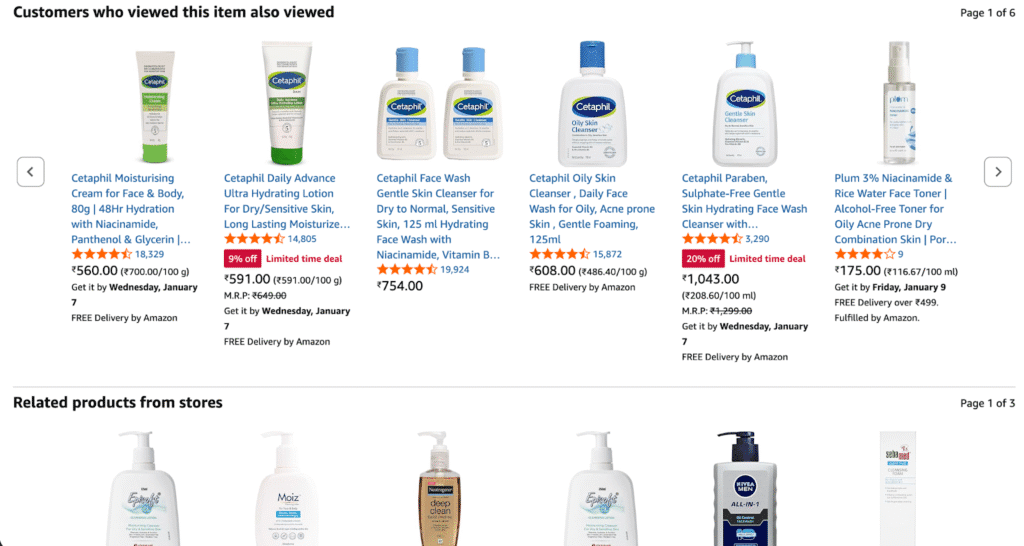
These insights fuel Amazon’s recommendation engine, one of the most successful applications of AI segmentation in the world. When you see “Customers who bought this also bought” or “Inspired by your browsing history,” those prompts are generated by clustering users with similar preferences. This type of predictive segmentation not only drives nearly 35% of Amazon’s total sales but also improves product discovery, retention rates, and overall satisfaction by making every interaction feel personal and smart.
Netflix – Predictive Viewer Profiling
Netflix takes AI customer segmentation beyond simple data tracking. Its algorithms constantly read signals such as viewing history, session duration, preferred genres, skip behavior, time of day, and even which thumbnails attract clicks. This information forms nuanced viewer segments like “late-night sci-fi fans,” “casual comedy watchers,” “family binge viewers,” or “romantic drama enthusiasts.”
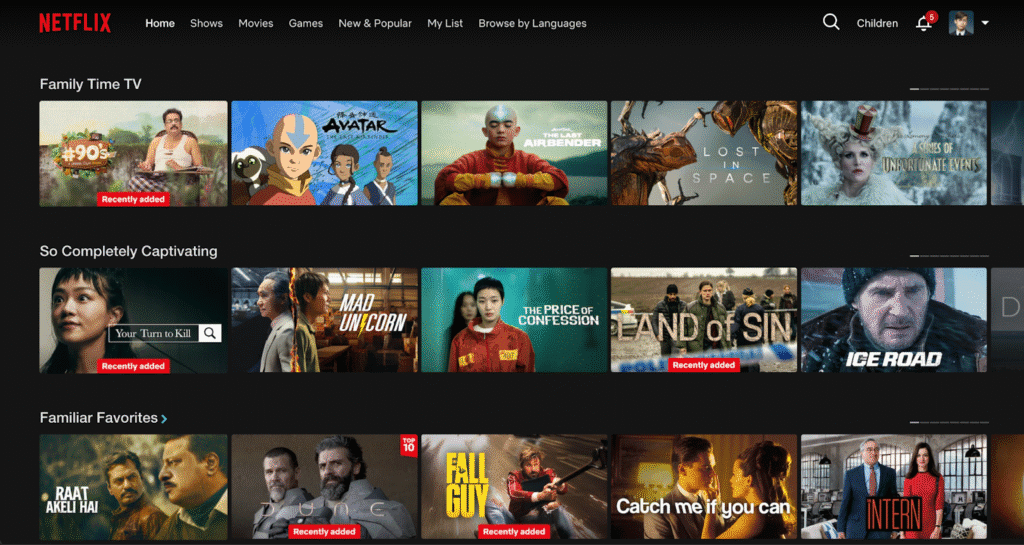
These segments directly shape Netflix’s home interface. What one person sees on their home screen is completely different from what another sees, even if both have watched similar shows. Titles, thumbnails, and recommendations shift dynamically based on AI predictions about what a viewer will most likely engage with next. This constant adaptation keeps engagement high and churn rates low, sustaining Netflix’s leadership in streaming personalization.
Starbucks – Personalized Loyalty Segmentation
Starbucks uses AI at the heart of its Reward program and mobile app. Every time a customer places an order, pays digitally, or redeems a reward, AI tracks preferences such as favorite drinks, visit frequency, and purchase time. Using this data, Starbucks builds dynamic segments like “morning commuters,” “seasonal treat lovers,” and “weekend relaxers.”
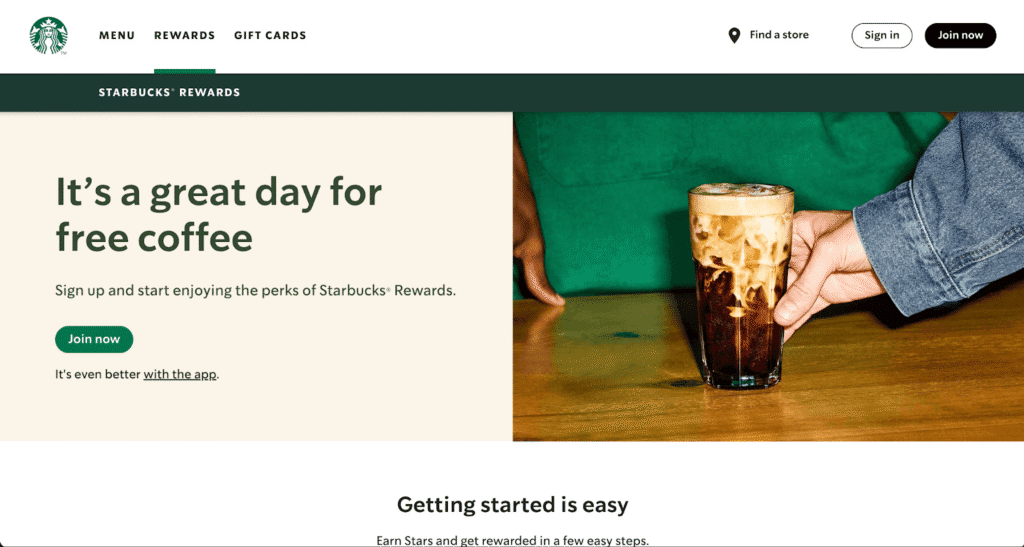
With these segments, Starbucks sends tailored offers through push notifications and emails. For example, a regular morning coffee buyer might receive a Monday bonus stars offer, while an occasional visitor might get a free bakery item to encourage another trip. These messages are automatically adapted by the AI engine to match individual habits and even local weather trends, such as promoting iced coffee on a hot day. This approach has made Starbucks one of the top global examples of AI-driven loyalty engagement, helping boost both retention and average spend.
Spotify – Music Taste Profiling
Spotify relies on AI segmentation to make every listener’s journey unique. Its algorithms collect listening habits, skip patterns, tempo preferences, device type, and even time of day usage. From this information, Spotify forms audience segments like “early morning listeners,” “trend explorers,” and “focused instrumental fans.”
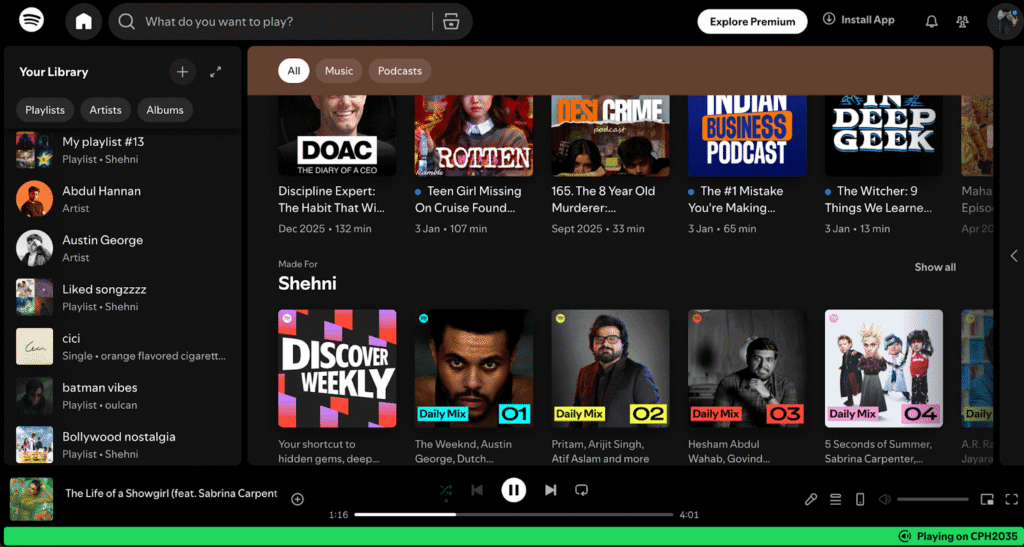
These segments drive Spotify’s personalized playlists such as Discover Weekly, Daily Mix, and Release Radar. Each playlist is created from clusters of users with similar musical behavior, enhanced by real-time feedback loops that learn from what users skip or repeat. This continuous segmentation not only improves listener satisfaction but also helps emerging artists find the right audience faster. Through its AI-powered recommendations, Spotify has built a listening experience that adapts and grows more precise with every song.
Walmart – Predictive Shopping and Lifestyle Segments
Walmart employs AI segmentation to understand and anticipate household needs across its enormous customer base. Its systems analyze purchase frequency, basket size, seasonal buying habits, and even time of day transactions to create segments like “family bulk buyers, “ budget-conscious shoppers,” and “last-minute essentials customers.”
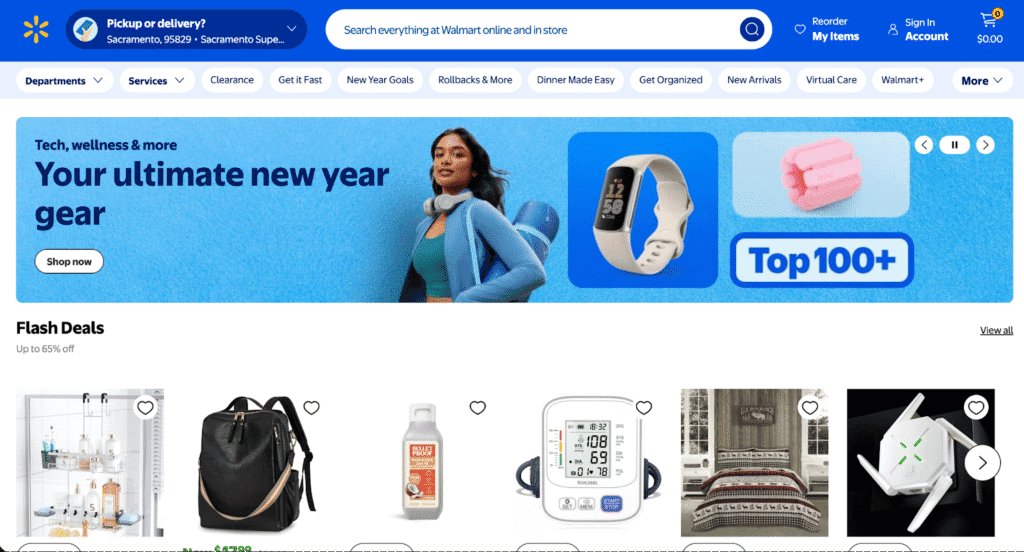
AI then uses these insights to predict what each group may need next. For instance, a family that regularly buys school supplies in August might see early reminders or special promotions in July. Walmart also applies predictive segmentation to its online grocery platform, auto-suggesting items commonly purchased together and creating dynamic lists that save customers time. This adaptive approach keeps Walmart ahead in both convenience and personalization, blending data science with everyday human behavior.
Popular AI Customer Segmentation Tools
| Tool Name | Best for | Key Features | Link |
| Segment.io | Enterprises unifying data | Predictive segmentation, 300+ integrations, real-time behavior analysis | https://segment.com/ |
| Klaviyo | E-commerce email & SMS | Behavioral triggers, cross-channel personalization, and dynamic segments | https://www.klaviyo.com/uk/ |
| Amplitude | Product & growth teams | Behavioral cohorts, predictive analytics, and user journey mapping | https://amplitude.com/ |
| Bloomreach | Online retail personalization | Product affinity modeling, automated discovery, commerce AI | https://www.bloomreach.com/en |
| Optimove | Micro-segmentation campaigns | Cross-channel orchestration, next-best-action predictions | https://www.optimove.com/ |
Future Trends: What’s Next for AI Customer Segmentation
- Real-Time Dynamic Segmentation: AI will constantly refresh customer segments as new data streams in, allowing marketers to react instantly to changes in behavior and preferences.
- Emotion and Intent Recognition: Next-generation AI tools will analyze emotional cues and interaction patterns to predict intent, making personalization more empathetic and timely.
- Predictive Customer Modeling: Segmentation will evolve from describing past actions to forecasting future ones, helping brands anticipate churn, loyalty, and buying intent.
- Unified Data Across Channels: Future AI platforms will merge interactions from social media, mobile apps, websites, and in-store visits into one adaptive customer profile.
- Privacy-Centered Personalization: AI will rely more on privacy-preserving models like federated learning, ensuring ethical, secure, and regulation-compliant customer personalization.
Conclusion
AI customer segmentation is changing the way brands connect with people. It helps businesses see beyond numbers and understand their customers on a deeper level. Every time you get a product suggestion from Amazon or a new show recommendation on Netflix, it is AI working quietly to make your experience more personal and meaningful.
Today, segmentation powered by AI is not just about dividing groups but about understanding emotions, timing, and needs. It allows brands to speak directly to individuals, making messages more relevant and engaging. As technology continues to grow, these systems will adapt even faster, learning from every interaction to create smoother, more rewarding journeys for every customer.
The future of AI in customer segmentation will belong to the brands that use it with intelligence and empathy. Those who listen to their customers, personalize with care, and focus on real human connection will stand out in a digital world that values authenticity above everything else.
Check out other blogs for more such informative content:
- Top 10 AI tools to generate AD copies
- Top AI Tools for Influencer Marketing
- 10 Creative AI Design Assistant Tools for Marketers
- AI in Design: Use Cases, Best Tools & Future of AI Design
FAQs
Modern marketing platforms make it easy. Connect your website data, email lists, and sales records. The AI will suggest groups based on what customers do. No coding needed.
Focus on behavior. Track what people browse, buy, and click. Things like how often they shop or what they add to carts. This works better than just age or location.
Update them as often as new data comes in. Good systems refresh groups daily or even hourly. This keeps your targeting fresh and based on recent actions.
Be clear about what data you collect. Let customers opt out anytime. Use only what you need and store it safely. This builds trust while still helping with personalization.