Today’s customers expect more than just products or services. They want interactions that feel personal, easy, and thoughtful.
Marketers are now finding ways to meet these expectations by using smart tools that help understand and improve how customers experience a brand. These tools change the game, making it easier for customers to respond quickly in ways that matter to them. When handled right, these tools help brands create smoother journeys, solve problems faster, and keep customers coming back.
Knowing how to use these tools well can give marketers an edge in building trust and loyalty in a crowded marketplace. In this blog, we will explore what marketers need to know to create a better customer experience and build stronger connections with their audience.
What is AI in Customer Experience?
In customer experience, it means using technology to help companies better understand and connect with their customers. It involves tools that can learn from customer behavior, answer questions, and offer personalized support without a human always being there.
These tools help businesses respond quickly and make each interaction smoother and more meaningful. Instead of guessing what customers want, companies can use this approach to offer what fits best, making customers feel heard and valued from start to finish.
How AI Solves the Most Common Customer Experience Challenges
- Handles Slow Responses: Customers often get frustrated waiting for answers. This technology helps by offering quick replies at any time of the day, cutting down on wait times, and keeping customers engaged.
- Offers Personal Touches: Instead of one-size-fits-all answers, it can learn what each customer likes and needs, giving advice and suggestions that feel more personal and helpful.
- Finds Issues Early: By tracking customer actions and feedback, it can spot problems before they grow, allowing companies to fix things faster and avoid bigger errors.
- Manages Large Volumes: When many customers reach out at once, it helps handle all questions smoothly without missing or delaying any, making the service steady even during busy times.
- Keeps Learning and Improving: The system gets smarter over time by learning from each interaction, which means customer support can get better and more accurate as more people use it.
Popular AI Tools for Customer Experience
| Tool Name | Link | Best For | Key Features |
| Zendesk AI | zendesk.com | Customer service automation | Intelligent ticket routing, AI chatbots, real-time insights |
| Intercom | intercom.com | Real-time chat support | Conversational AI, personalized messaging, human handoff |
| Freshdesk (Freshworks) | freshworks.com | Support automation for SMBs | Automated ticket assignment, AI chatbots, service insights |
| HubSpot Service Hub | hubspot.com | Inbound customer support | Chatbots, routing, feedback analysis |
| Solvea | solvea.cx | Multilingual voice and chat support | CRM integration, automation, global support |
| Yuma AI | yuma.ai | E-commerce customer service | Shopify integration, automated queries, and helpdesk support |
| Ada | ada.cx | Omnichannel self-service automation | Web, mobile, email, social media chatbot automation |
Key AI Applications Enhancing Customer Experience
Chatbots and Virtual Assistants
Chatbots and virtual assistants help customers get quick answers at any time of day, without needing to wait for a human agent. They can guide users through tasks like booking appointments, tracking orders, or answering common questions fast and clearly.
This means customers feel supported immediately, which reduces frustration and keeps them engaged.
Chatbots also free up customer service teams to work on more complicated problems that require a human touch. Over time, these assistants can learn from interactions, improving how they help customers.
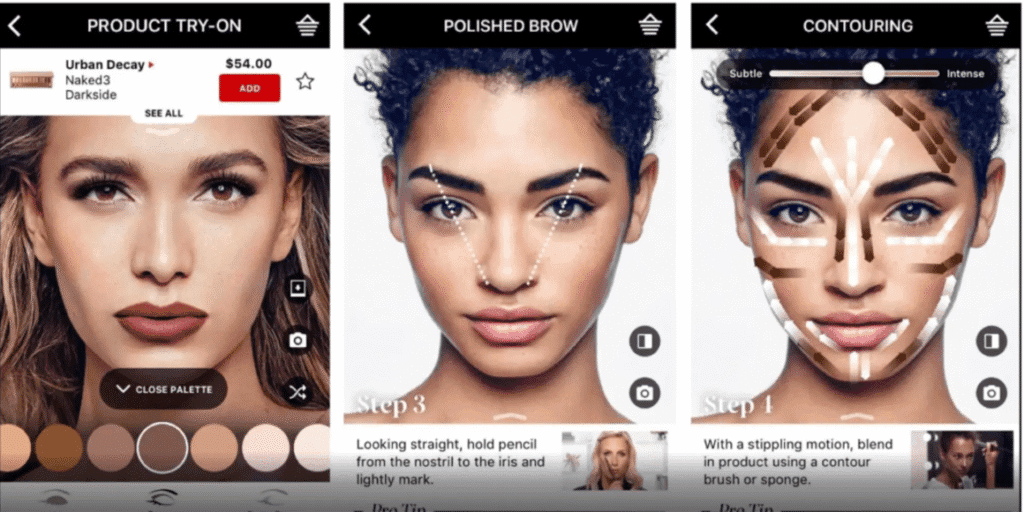
Example: Sephora’s chatbot offers personalized help with makeup choices, asking about skin tone and style preferences. By suggesting products based on previous purchases, it feels like each customer is getting expert advice tailored just for them. This convenience makes the shopping experience smoother and more enjoyable.
Personalized Recommendations
Personalized recommendations use data on what a customer has looked at, searched for, or bought to suggest products that match their tastes. This takes the guesswork out of shopping and helps customers find things they might not have discovered on their own. It gives a feeling that the brand understands their interests and is making helpful choices for them.
This level of personalization encourages shoppers to spend more time browsing and makes them more likely to return in the future.
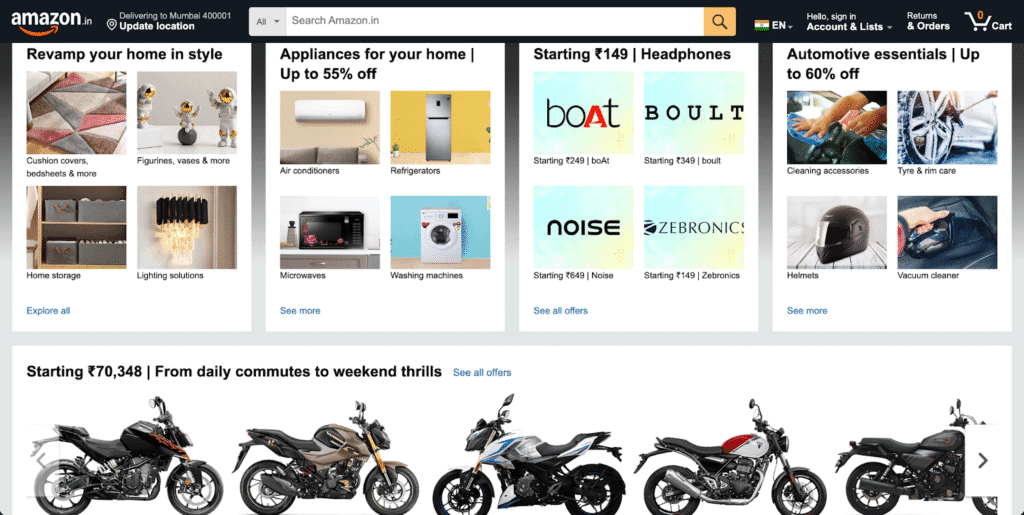
Example: Amazon’s recommendation system is well known for showing products a customer might like based on their browsing and purchase history. This has helped the company increase sales and make shopping more satisfying for millions of users around the world.
Sentiment Analysis
Sentiment analysis works by reading customer feedback from reviews, emails, chat messages, and social media to figure out how customers feel about a product or service. It can tell if customers are happy, angry, confused, or excited.
Companies use this information to quickly spot any issues that need fixing or to understand what customers love most. This helps businesses respond better and faster to what customers want, which can improve their reputation and build trust.
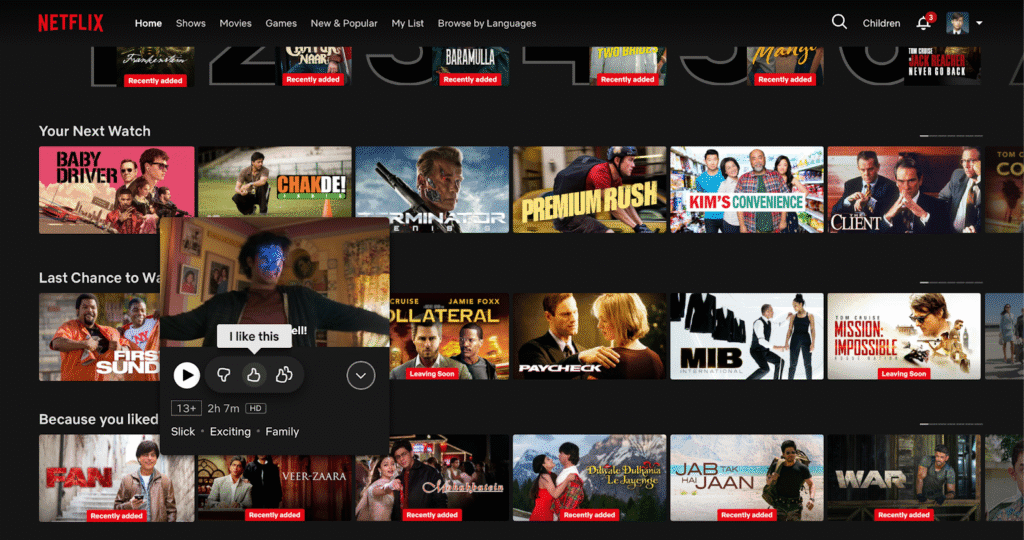
Example: Netflix uses sentiment analysis to understand how viewers react to shows and movies. By knowing which content makes people happy or frustrated, Netflix focuses on creating or promoting shows that attract viewers and keep them satisfied.
Predictive Customer Support
Predictive customer support uses past data and patterns to foresee problems before they become serious. By analyzing how customers have behaved or what issues have come up before, companies can reach out early to offer help or a solution.
This proactive service reduces surprises and shows customers that the company cares about their experience. It also helps prevent complaints by solving issues before a customer even notices them.
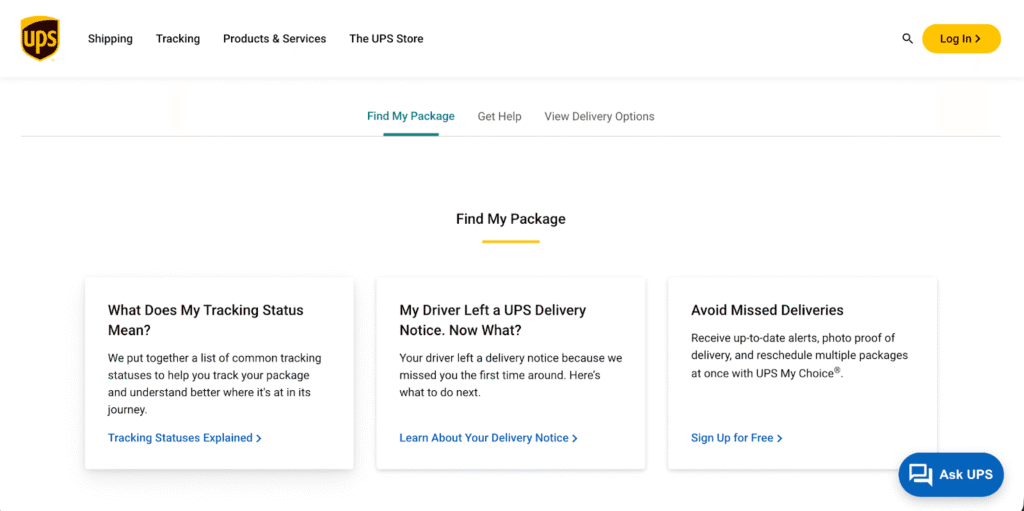
Example: UPS uses these predictions to track potential delivery delays and informs customers ahead of time when their packages might arrive late. This transparency prevents frustration and builds confidence in UPS’s service reliability.
Automated Workflows
Automated workflows take care of routine tasks that happen behind the scenes, like sorting customer messages, assigning them to the right teams, sending thank-you notes, or sending reminders after a service.
By automating these, companies make sure every customer inquiry or request is handled quickly and nothing is missed. This speeds up the entire process and reduces errors caused by manual handling. Automation also lets customer support staff focus on bigger issues that need their attention, improving the overall quality of service.
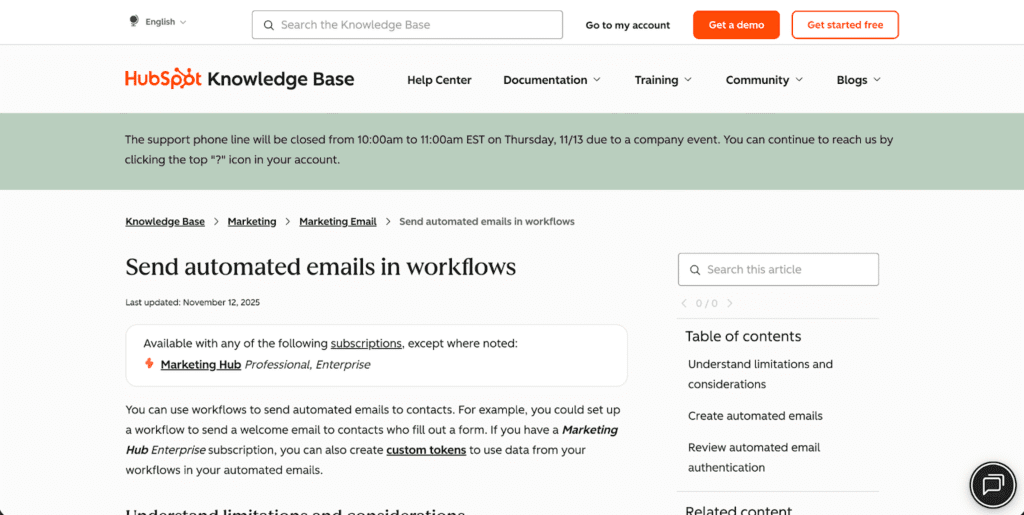
Example: HubSpot uses automated workflows to route questions to the correct sales or service team and send follow-up emails to customers. This ensures no request falls through the cracks and speeds up response times, making customers feel valued and respected.
Future Trends: What’s Next for AI in CX
More Human-Like Conversations
Customer support will become even more natural and easier to talk to. These tools will understand tone and emotion better, making conversations feel more real and less robotic. This will help customers feel more comfortable and understood.
Deeper Personalization
Brands will use customer data in smarter ways to offer even more tailored experiences. Every interaction will feel like it was made just for you, drawing on past behavior, preference, and real-time context. This will build stronger connections.
Predicting Needs Before Asking
AI will get better at guessing what customers want or need before they say anything. This means brands can solve problems or offer helpful options much earlier, saving time and reducing frustration for customers.
Seamless Omnichannel Support
Customer experience will be smooth across devices and channels. Whether customers reach out by phone, chat, email, or social media, their history and preferences will follow them, creating a unified experience.
Increased Use of Voice and Visual Tools
Voice assistants and visual search will become more common in customer service. Customers will speak or show what they need instead of typing or clicking. This makes support faster and easier, especially on mobile devices.
Conclusion
Customer experience is changing fast, and smart tools are leading the way. By understanding how these tools work and the benefits they bring, marketers can create stronger connections with their audience.
From quick answers to personal suggestions and even predicting needs before they arise, these new approaches help build trust and loyalty. Looking ahead, the future holds even more exciting possibilities for making every customer feel valued and understood. Marketers who stay informed and adapt will be best placed to meet customer expectations and grow their brands.
Check out other blogs for more such informative content:
- 16 Ways Artificial Intelligence Can Be Used in Marketing in 2021
- Skills Needed for a Marketing Team to Effectively Leverage AI
- Best AI Marketing Tools Your Teams Should Be Using in 2025
FAQs
Small businesses can begin by integrating affordable AI solutions such as chatbot platforms or customer feedback tools that do not require large budgets or deep technical expertise. Many providers offer user-friendly, out-of-the-box systems that plug into existing websites or social channels. Starting with a simple chatbot or automated email follow-ups is often the easiest step, allowing businesses to gradually scale up as they grow and learn more about their customers.
Marketers should pay serious attention to customer privacy, data security, and transparent communication when deploying AI tools. Collecting, analyzing, and using personal data must comply with privacy regulations such as GDPR or CCPA. Always inform customers about how their data will be used, and ensure that AI-driven recommendations or interactions are fair and unbiased. Regularly review algorithms for unintended discrimination or privacy breaches to maintain customer trust.
Success can be measured using multiple performance metrics, including customer satisfaction scores (like CSAT or NPS), average response times, issue resolution speed, repeat purchase rates, and overall engagement. Marketers should also track qualitative feedback from customers and compare before-and-after results for key interactions. A successful AI program should show improvements in efficiency and customer sentiment, with data-driven insights guiding further refinements.
Yes, human staff remain essential to delivering excellent customer experiences, especially for complex or sensitive issues that require empathy and critical thinking. AI tools are best used for routine tasks and quick answers, allowing employees to focus on building relationships and solving unique problems. The ideal approach combines smart automation with human expertise, ensuring customers feel genuinely valued throughout every interaction.